Itinerary

Bermuda’s Black Culture & Beyond: A 5-Day Itinerary

Bermuda is often defined as a luxury island escape with exclusive pink-sand beaches and crystal-clear waters. To truly understand Bermuda, travellers must look beyond the shoreline and into the lives, labour, traditions, and creativity of Black Bermudians whose ancestors shaped the island through centuries of enslavement, survival, and self-determination.

Exploring Bermuda’s Black culture and history offers a richer, more meaningful way to experience the island. From UNESCO-listed towns and African diaspora landmarks to living traditions like Gombey dancing and contemporary Black art, Bermuda reveals itself as a place of deep cultural continuity and resilience. This five-day itinerary is designed as an immersive journey—one that invites travellers to learn, reflect, and connect while still enjoying the beauty and ease of island life.

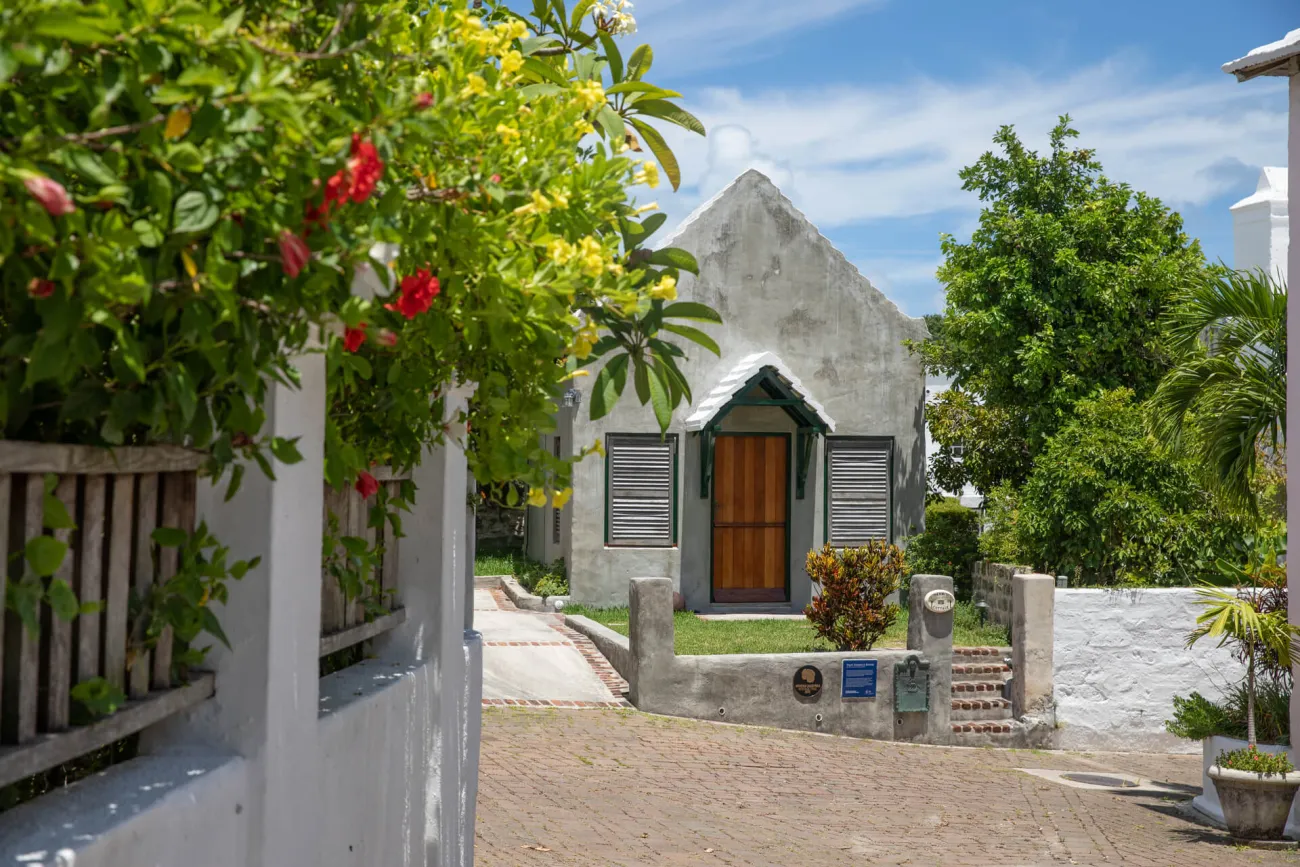
St. George’s Shopping And Art Walk By Long Story Short

WHERE TO STAY  

On Hamilton Harbour, enjoy waterfront living at one of the residences at Newstead Belmont Hills Golf Resort and Spa. This premier luxury resort offers top-notch amenities and exclusive privileges at the semi-private Belmont Hills Golf Club. 

Another enticing option is Azura, a newer oceanfront hotel situated on the famous South Shore and just 10 minutes away from the City of Hamilton, a hub for dining, nightlife, and shopping. Plus, you’ll find golf courses and access to the Bermuda Railway Trail nearby.

Interior view of Azura Bermuda Ocean View Guestroom

Prefer a private rental? Find a restful retreat at Lemon and Ginger Vacation Rental near Hamilton. This hidden gem is located between two parks in a neighborhood with colourful homes. With water views from the garden and a spacious open plan living plan, you’ll feel at home in paradise. Your host Jenita, a lifelong Bermudian who takes pride in warm hospitality, can curate your stay, take you on a neighbourhood tour, and point you to the most authentic island experiences.

No matter where you stay, you can easily explore the island’s 21-square miles with a variety of ways to get around, including rentals and private transportation.

Day One

St. George’s and the Origins of Black Bermuda

The journey begins in St. George’s, one of the most historically significant places in Bermuda. As the oldest continuously inhabited English settlement in the New World, St. George’s was a central site of enslavement, maritime labour, and early Black community life. Walking its narrow streets offers an immediate sense of how deeply Black history is embedded in the physical landscape. 

Visitors can follow sections of the African Diaspora Heritage Trail or take a tour with Long Story Short, which marks burial grounds, homes of free Black Bermudians, and sites tied to resistance and emancipation. These markers transform the town into an open-air classroom, telling stories that might otherwise remain invisible. Museums and historical houses such as Tucker House provide an intimate look at everyday Black life in the 18th and 19th centuries, illustrating how families lived, worshipped, and built community despite systemic limitations.

A visit to St. Peter’s Church, the oldest Anglican church outside the United Kingdom, reveals how Black congregations navigated faith within colonial systems. Nearby, the Bermuda National Museum offers deeper historical context, tracing the transition from slavery to emancipation and highlighting the island’s maritime culture, where many Black Bermudians found skilled work and relative mobility.

Pilot Darrell's square

Day Two

Hamilton and Contemporary Black Expression

Hamilton, Bermuda’s capital, offers a window into the island’s present and future. While colonial architecture still frames the city, modern Black Bermudian culture thrives in its art spaces, businesses, and outdoor settings. 

The Bermuda National Gallery plays a critical role in this conversation, showcasing works by Bermudian artists who grapple with themes of race, colonial legacy, and cultural belonging. Through painting, sculpture, and mixed media, these artists extend the dialogue between past and present, making Black history visible in modern forms.

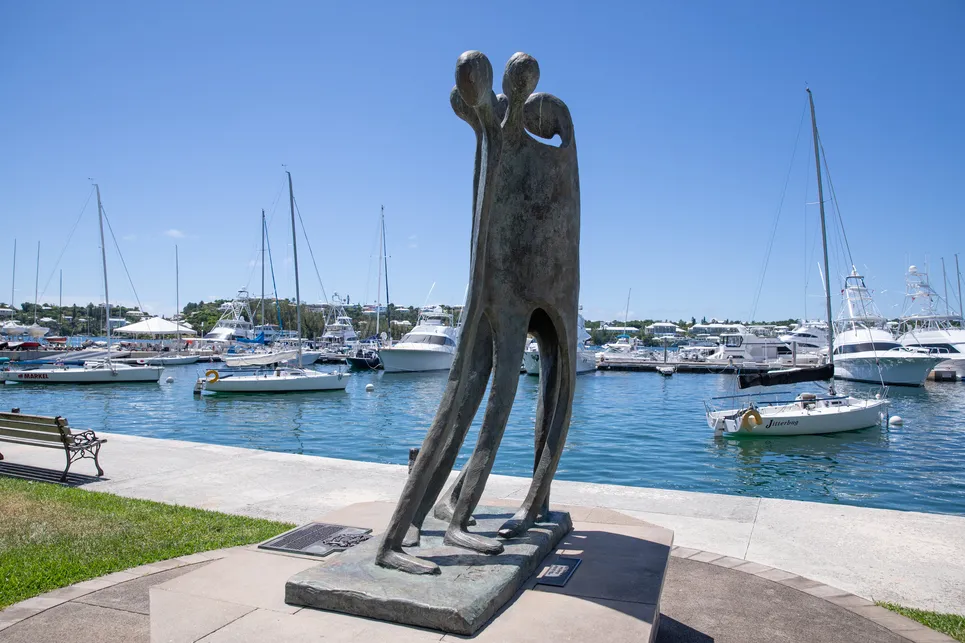
Beyond the gallery walls, Hamilton’s streets reflect a living culture shaped by entrepreneurship, political leadership, and creative innovation. Stop by Barr's Bay Park to see the 'We Arrive' statue by Bermudian artists Chelsea Trott. It commemorates the arrival of people on the slave ship Enterprise in 1835. If this type of art interests you, take the self-guided art walking tour by City of Hamilton

The Enterprise Sculpture on the African Diaspora Trail.

Day 3

Supporting Black Entrepreneurship 

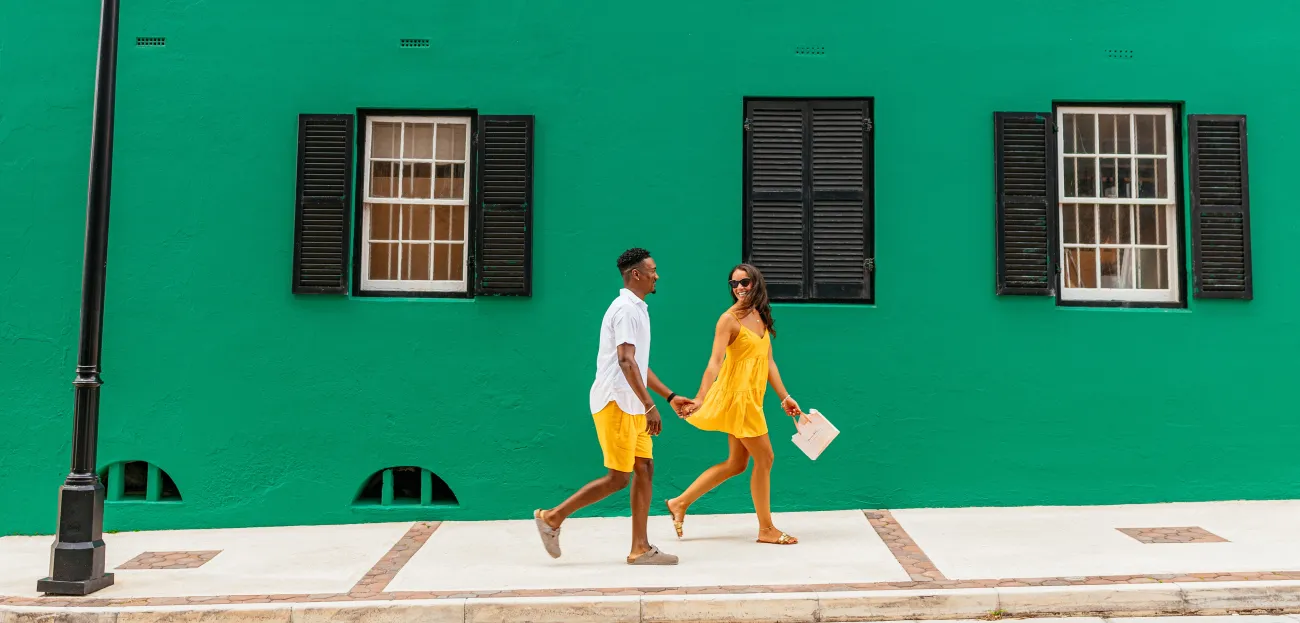
Black-owned boutiques, cafés, bookstores, salons, and artisan shops line the streets of the city, offering everything from handmade jewellery and local art to Bermudian fashion and cultural goods. These businesses reflect generations of self-reliance and creativity, particularly during periods when economic opportunities were limited by race.

Spending the day intentionally shopping local allows travellers to connect with residents, hear personal stories, and contribute directly to the preservation of Black culture in Bermuda. Hamilton and St George's alike are a living marketplace of heritage, where culture is exchanged not only through products, but through conversation and community.

A couple shopping in Bermuda

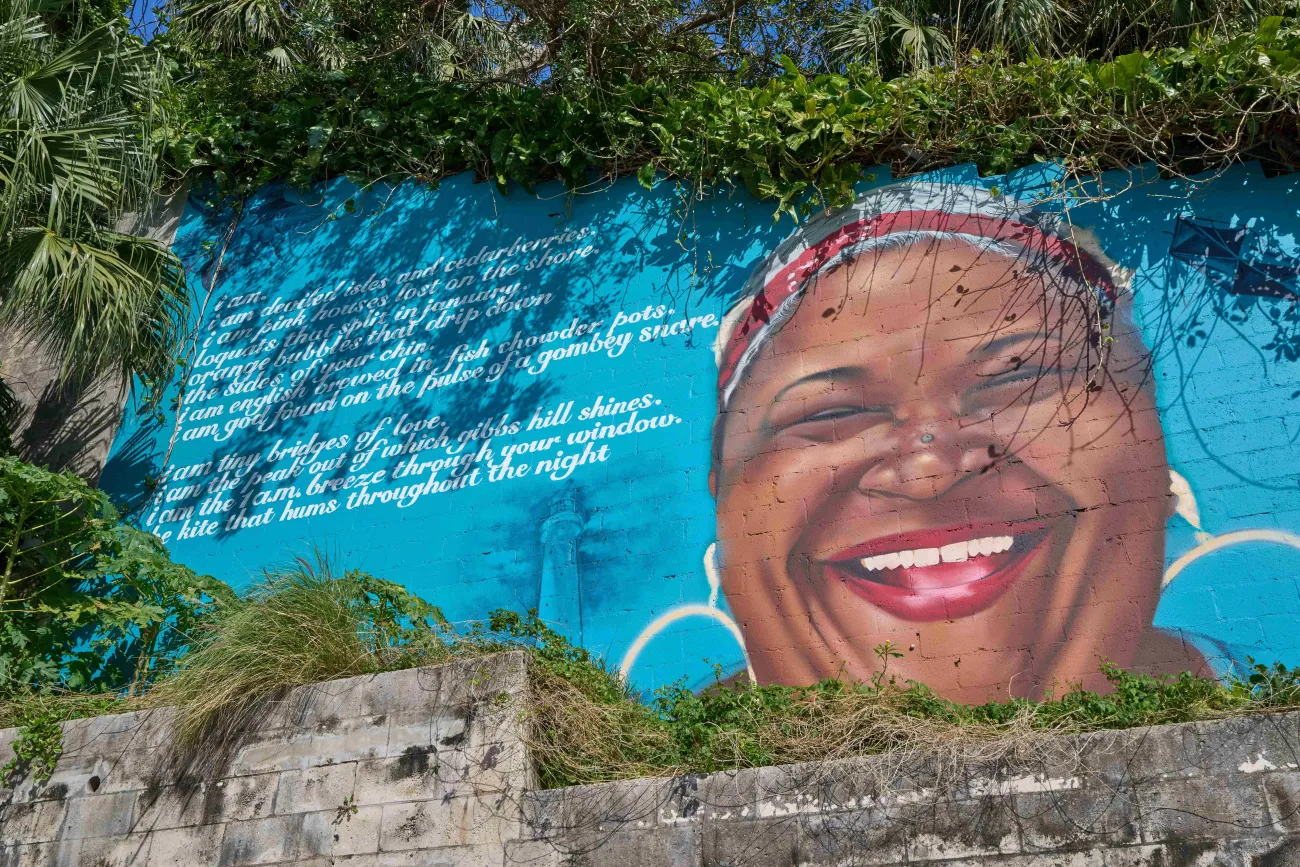
Discover more island culture in Bermuda’s cosmopolitan capital, the City of Hamilton. While strolling the streets and checking out the shopping scene, you’ll see vibrant street art celebrating everything from universal symbols to Bermuda’s cultural icons. 

Enjoy signature cocktails and and early bit to eat at Bermuda's best speakeasy bar and restaurant, Evolve BDA. Fresh, tasty, and local is exactly what to expect here. 

A view of Street Art

Day Four

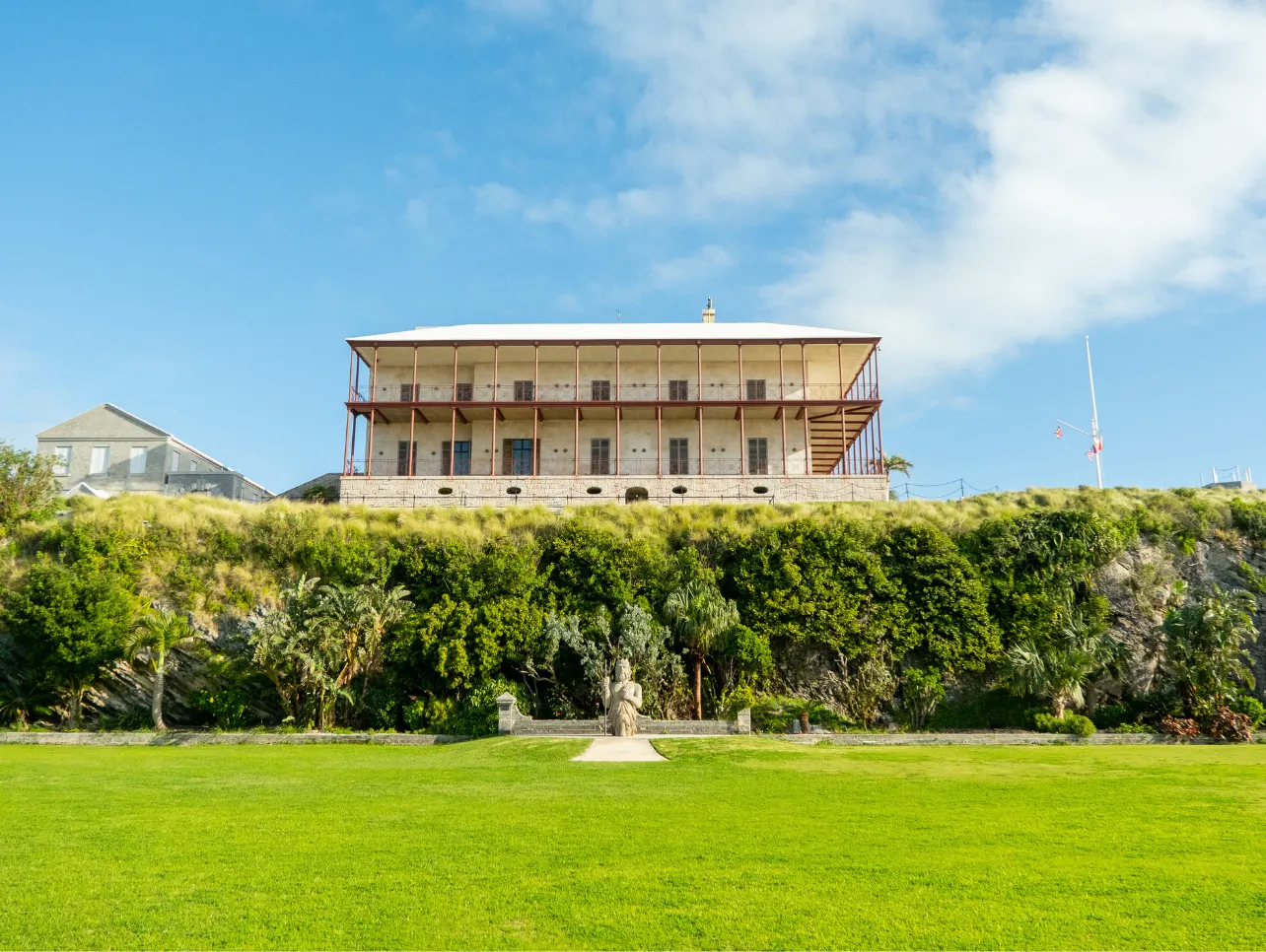
Dockyard and National Museum of Bermuda

Exploring the Royal Naval Dockyard adds an essential layer to understanding Bermuda’s Black history. While often framed as a former military site, Dockyard also tells the story of Black labour, maritime skill, and colonial power structures.

The National Museum of Bermuda, located within Dockyard, offers one of the most comprehensive examinations of the island’s past. Exhibits explore slavery, emancipation, shipbuilding, and the crucial role Black Bermudians played in Bermuda’s naval and maritime economy. The museum contextualizes Bermuda within the broader Atlantic world, highlighting connections to Africa, the Caribbean, and the Americas.

For some libations and a tasty treat, head to Snorkel Park Beach Club, a black-owned business, to grab a water-side cocktail, and then head next door to shoot your shot at Bermuda Fun Golf

National Museum Of Bermuda

Day 5

Parks, Landscapes and History

The final day centers on parks and outdoor spaces that hold deep historical and cultural meaning for Black Bermudians. These landscapes offer a quieter, reflective way to engage with history—one rooted in memory, spirituality, and survival.

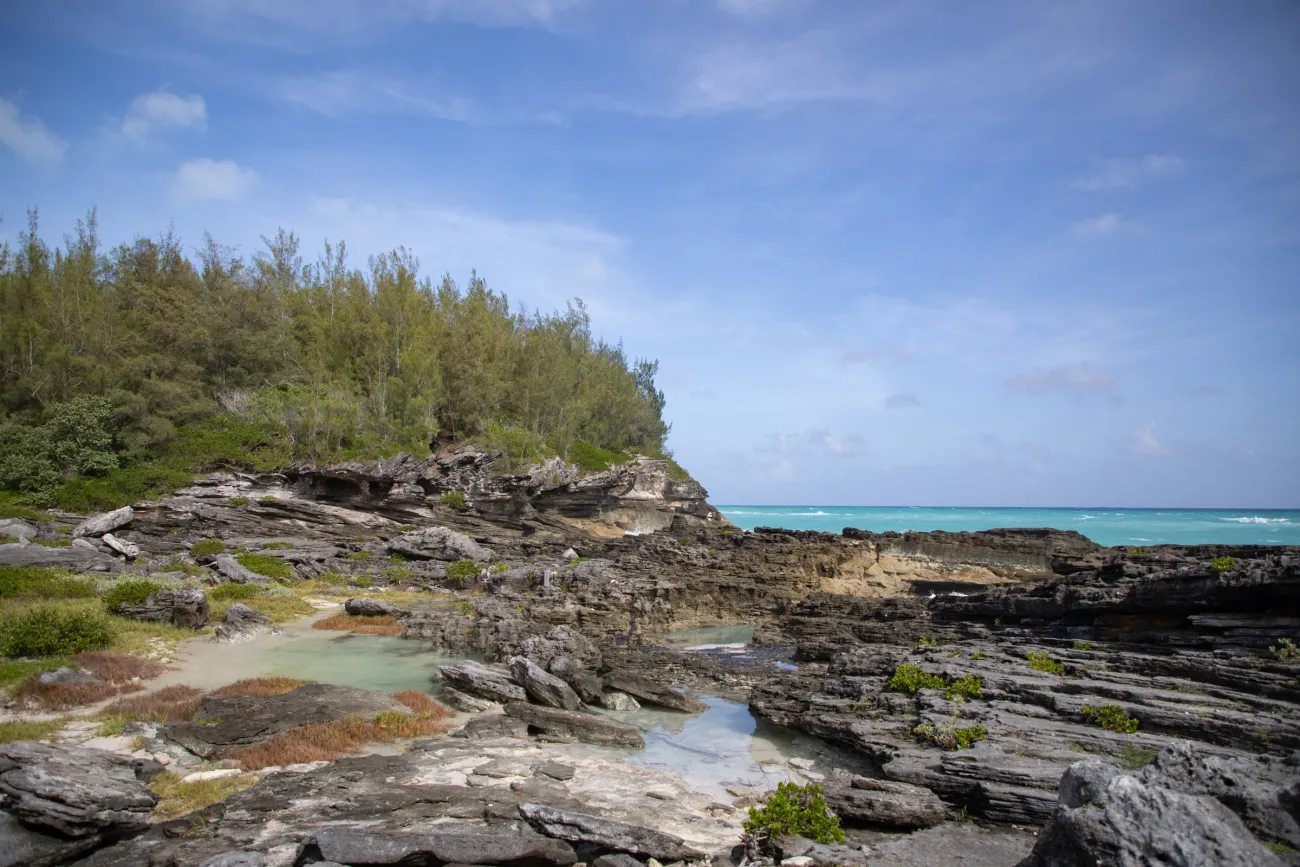
Spittal Pond Nature Reserve, home to Jeffrey’s Cave, is a powerful site of resistance. The cave is a place where one enslaved man hid from his Enslaver for over one month before being found. Mary Prince Park, named after Bermuda’s most famous Black abolitionist, honours her legacy as a formerly enslaved woman whose narrative helped fuel the abolitionist movement in Britain.

The Railway Trail, built on land once worked and traversed by Black Bermudians, stretches across the island and symbolizes movement, endurance, and connection. Walking these spaces invites contemplation of the lives once lived along these paths and the resilience that continues to define Black Bermudian identity.

Spittal Pond Nature Reserve – Spittal Pond Nature Reserve

Travelling with Intention

Exploring Bermuda’s Black culture and history requires intention, respect, and curiosity. Supporting Black-owned businesses, learning from cultural institutions, and honoring sacred spaces helps ensure that cultural tourism benefits the communities whose stories are being told.

This five-day journey offers more than sightseeing. It invites travelers to engage with Bermuda as a living archive of African diaspora history—one shaped by struggle, creativity, and enduring pride. By traveling with awareness, visitors leave not just with memories, but with a deeper understanding of what makes Bermuda truly unique.

More Island Itineraries

The Ultimate Bermuda Cup Match Itinerary & Guide

Carnival in Bermuda: A 7-Day Itinerary