List

Sustainable Things to Do in Bermuda with Kids

Planning a family vacation in Bermuda can be both fun and eco-conscious. One morning, you might follow a coastal trail past seabirds and tide pools. Later, you could paddle through a quiet cove, visit a working farm, learn how young corals are grown, or help clear litter from a pink-sand beach. These are some of the best things to do in Bermuda with kids because they give families space to explore while helping protect the island they’ve come to enjoy.

And no, it doesn’t have to be expensive or complicated.

Some of the most rewarding days cost little or nothing, including national parks, nature reserves, shoreline walks, and volunteer clean-ups. Paid experiences, from aquarium visits to guided kayaking and coral garden programmes, can help bring Bermuda’s conservation work into even clearer focus.

For families planning a Bermuda vacation, sustainable travel can be as natural as choosing a reusable bottle, staying on marked trails, buying local produce, or giving wildlife plenty of space. Small choices help protect the beaches, reefs, and green spaces that make Bermuda so easy to love.

  • Sustainable things to do in Bermuda with kids
  • Family-friendly nature reserves and beaches
  • Conservation activities, farms, and eco-tours
  • Low-cost tips for a family vacation in Bermuda
A family is posing at BUEI

Bermuda’s natural beauty is undeniable – pink-sand beaches, vibrant coral reefs, mysterious caves, and lush oceanfront parks invite exploration. But beyond its breathtaking scenery, Bermuda has a deep-rooted commitment to sustainability.

From eco-friendly hotels to sustainable dining to marine conservation projects, the island blends fun adventures with a deep sense of protection and care for the environment. Families can hike wooded trails, kayak in crystal-clear waters, snorkel above protected reefs, and even plant coral – all while supporting Bermuda’s sustainability efforts. By travelling mindfully, you help preserve this island paradise for generations to come. Here are some of the best ways to find sustainable family fun in Bermuda.

Marine Conservation Activities

Bermuda’s reefs do more than make the water beautiful. They protect marine life, shape snorkelling spots, and tell a bigger story about the island’s health. These stops help kids connect the fish, corals, turtles, and clear water they see with the work it takes to protect them.

Plant Coral with Living Reefs Foundation

Bermuda’s reefs are one reason the water looks so clear and alive, and Living Reefs Foundation gives families a hands-on way to understand why they matter. The foundation grows young corals in ocean-based coral gardens, then uses them to help repair damaged reefs. Families can learn how coral gardens work, why reef health matters, and how conservation projects help protect Bermuda’s marine ecosystem.

Choose this when your family wants to do more than snorkel over the reef. Ask about the latest coral garden workshops, snorkel trail options, and age requirements before booking.

Best for: Families with older children, teens, and conservation-minded travellers

Duration: Varies by workshop or snorkel-based experience

Price: $$–$$$

Age note: Best for confident swimmers when water-based activities are involved
Why go: Coral conservation, reef repair, coral gardens, and marine education

Good to know: Water-based activities depend on weather, ocean conditions, and swimming ability.
 

Visit the Bermuda Aquarium, Museum & Zoo (BAMZ)

The Bermuda Aquarium, Museum & Zoo (BAMZ) is one of the easiest and most affordable activities to add to a family vacation in Bermuda. Inside, families can see reef fish, turtles, island animals, and natural history exhibits in one visit, making it especially useful for younger children or mixed-age groups. BAMZ is also one of the world’s oldest aquariums, founded in 1926, and its seven-acre waterfront site in Flatts Village serves as a centre for science education, research, and species conservation.

BAMZ is open daily from 9 am, with last admission at 4 pm, and the facility closes at 5 pm, except on Christmas Day. It’s a practical indoor-outdoor stop when everyone needs a break from the beach. 

Best for: Toddlers, school-age children, and multi-generational families

Where: 40 North Shore Road, Flatts Village

Duration: 1.5 to 3 hours

Price: $
Age note: An adult must accompany children under 12
Why go: Marine education, island ecosystems, species care, and conservation awareness

Did you know? Balloons and drinking straws are not allowed on the property because of the risk they pose to marine life.
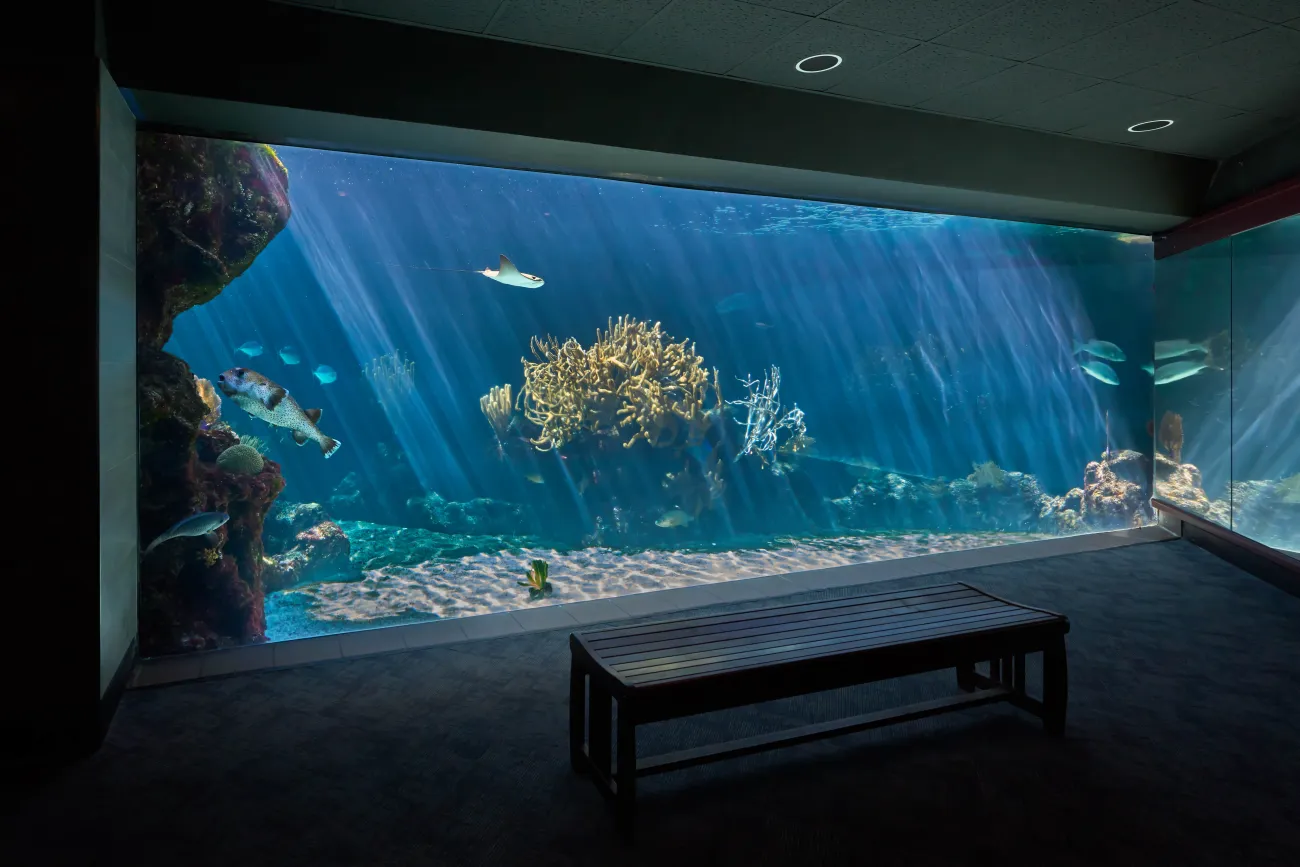
 

A wide view of sea life swimming at the Bermuda Aquarium.

Explore Ocean Science at the Bermuda Underwater Exploration Institute

The Bermuda Underwater Exploration Institute (BUEI) gives kids a closer look at the ocean, no snorkel mask required. The exhibits cover deep-sea discovery, marine science, Bermuda’s long relationship with the water, and the legendary Bermuda Triangle. They also host Kids Saturdays on the third Saturday of every month, featuring kid-friendly family reading time, short-film screenings, and plenty of activities. Admission is $20 for adults, $17 for youth ages 3 to 17, free for children under 3, and $80 for a family bundle of up to five guests.

During peak season, from mid-March through the end of November, BUEI is open Monday to Friday from 10 am to 5 pm, and Saturday to Sunday from 10 am to 4 pm. From the first week in December through mid-March, BUEI is closed on Mondays.

Best for: Curious kids, tweens, teens, and families who want an indoor activity

Where: 40 Crow Lane, Pembroke HM 19, City of Hamilton

Duration: 1.5 to 2.5 hours
Price: $$
Age note: Suitable for all ages
Why go: Ocean literacy, deep-sea learning, and marine awareness
 

Nature Reserves and National Parks

Some of the best eco-tourism experiences in Bermuda are also the easiest to plan. The island’s nature reserves and national parks offer families space to walk, watch wildlife, explore coastal habitats, and enjoy outdoor time together.

Walk the Trails at Spittal Pond Nature Reserve

Spittal Pond Nature Reserve is one of Bermuda’s best free nature experiences. The trail winds through woodland, wetlands, coastal views, and bird habitat, giving families a glimpse of a quieter side of Bermuda. It was declared a Wetland of International Importance under the Ramsar Convention in 1999, and it remains an important site for resident and migratory birds.

Kids can look for longtails, Bermuda skinks, Sally Lightfoot crabs, buckeye butterflies, and birds around the pond and shoreline. In the spring, families may spot migrating humpback whales from the coast.

Best for: Families who want a free, active walk

Where: South Road, Smith’s Parish

Duration: 1 to 2 hours

Price: Free

Age note: Best for children who can handle uneven trails

Why go: Protected habitat, birding, native wildlife, and low-impact walking

Did You Know? Portuguese Rock at Spittal Pond offers a glimpse of Bermuda before permanent settlement. The 1543 inscription is believed to mark the arrival of Portuguese sailors in Bermuda more than 60 years before the English arrived.

Spittal Pond Nature Reserve – Spittal Pond Trail

Explore Cooper's Island Nature Reserve

Cooper’s Island Nature Reserve feels peaceful, open, and just a little wild. Families can walk trails, visit quiet beaches, look for birds, and climb the Wildlife Observation Tower for wide Atlantic views. The tower was once the base of a radar tower for the NASA Tracking Station, and today it offers an almost 360-degree view for watching birds, whales, and other wildlife.

Best for: Families who want trails, quiet beaches, and coastal views

Where: St. David’s, southeastern Bermuda

Duration: 1.5 to 3 hours

Price: Free

Age note: Suitable for most families, with supervision near the water, rocks, and tower stairs

Why go: Coastal habitat protection, wildlife viewing, and low-impact outdoor recreation

Planning tip: Cooper’s Island Nature Reserve is a bit off the beaten path, so a little planning goes a long way. You can make your way here via bike tour, microcar rental, or the #6 bus. 

Explore Southlands National Park

Southlands National Park is a gentle change of pace from Bermuda’s busier beaches. The 38-acre park sits on South Road in Warwick Parish and includes woodland walks, banyan trees, open lawn, quarry gardens, ponds, beach access, and historic estate features.

This is a good stop when your family wants space to wander without having to book a tour. Walk under the trees, look for birds, explore the park’s older estate features, then make time for the nearby beach across the street. If you’re feeling hungry afterwards, stop by Lost in the Triangle for local seafood.

Best for: Families who want a quiet park, woodland paths, and beach access

Where: South Road, Warwick Parish

Duration: 1 to 2.5 hours

Price: Free

Age note: Suitable for most families, though some paths may be uneven

Why go: Protected open space, woodland conservation, and low-impact recreation

Farm-to-Table and Zero-Waste Food Experiences

Sustainable travel also shows up at the table. Farm visits, local ingredients, and fewer throwaway containers all support Bermuda’s food producers.

Visit Wadson’s Farm

Wadson’s Farm is a 40-acre sustainable farm in Southampton with a year-round market for local produce, eggs, herbs, and more. Founded by Tom Wadson in 1976, the farm supplies Bermuda restaurants and grocers with organic produce and meats, and its year-round farm market carries seasonal fruits and vegetables, free-range eggs, and fresh herbs.

A farm visit helps kids see where local food starts before it shows up on a menu. Bring your own bag and pick up snacks for the beach or park.
Market inventory changes with the season, so check current hours before you go.

Best for: Families interested in local food, farming, and low-waste shopping

Where: 10 Luke’s Pond Road, Southampton

Duration: 30 minutes to 1 hour for the farm market

Price: Free to visit the market; purchases vary

Age note: Suitable for all ages

Why go: Regenerative farming, local produce, pasture poultry, and farm-to-table food systems

Choose Local and Low-Waste Dining

Sustainable dining doesn’t need to turn dinner into homework. Look for menus that name local farms, seasonal produce, local fish, or plant-forward dishes. Ask what’s Bermudian-grown that week, skip single-use plastics when possible, and choose tap water where available.

For families, the easiest approach is to mix one planned farm-to-table meal with casual market stops. That keeps the budget flexible while still supporting Bermuda’s farmers, fishers, and food producers.

Best for: Families who want eco-conscious meals without booking another activity

Duration: 1 to 2 hours
Price: $-$$$

Age note: Check each restaurant for children’s menus, high chairs, and reservation policies

Why go: Local sourcing, seasonal ingredients, and lower-waste dining choices


Kayak Eco Adventure

Guided Eco-Tours and Active Adventures

For families who want more insight, guided eco-tours offer a deeper look at Bermuda’s caves, coves, plants, reefs, and coastal habitats. These experiences work best when you match the activity to your children’s ages, swimming ability, and comfort with full-day adventure.

Take a Wild Herbs N Plants Foraging Walk

A foraging walk changes the way kids look at the plants around them. Instead of walking past trees and herbs, they can learn which plants are edible, which have traditional uses, and why local knowledge matters.

Wild Herbs N Plants is led by Bermudian founder and vegan chef Doreen Williams-James, with experiences focused on wild herbs, medicinal plants, native fruits, and plant-based dishes. This is a good choice for families who want eco-tourism rooted in food and culture.

Best for: School-age kids, teens, and adults interested in plants, food, and local knowledge

Duration: About 1.5 miles of walking, plus tasting when included

Price: $$

Age note: Best for children who can complete an outdoor walk

Why go: Edible plants, medicinal plants, plant-based food, and Bermudian foraging traditions

Book a Hidden Gems of Bermuda Summer Excursion

Hidden Gems of Bermuda is the full adventure: caves, jungle trails, swimming, cliff jumping, snorkelling, lunch, and beach time in one guided excursion. The summer tour lasts 7 hours and includes dry cave exploration, cave swimming, locally made ice cream, a local lunch, and snorkelling around a preserved coral reef system.

This is best for families with older children who are comfortable with a full day outside. It’s active, muddy in places, and better suited to kids who like rugged terrain and water-based adventure.

Best for: Active families with older children

Where: Royal Naval Dockyard, with tour stops across the island

Duration: 7 hours

Price: $$$
Age note: Not suitable for children under 5

Why go: Guided nature exploration, caves, snorkelling, and local landscape education

Go Kayaking

Kayaking is one of the best things to do in Bermuda with kids when your family wants time on the water without a high-speed tour. This guided kayak tour leaves from Royal Naval Dockyard and takes families along Bermuda’s coastline to hidden coves, secluded beaches, rocky shorelines, and uninhabited islands.

The tour lasts about 3.5 hours, and includes the kayak, paddle, safety equipment, guided instruction, and a basic kayaking and safety briefing. 

Best for: Families who want a calm-water adventure with wildlife and coastal scenery

Where: Royal Naval Dockyard

Duration: Approximately 3.5 hours

Price: $$

Age note: Confirm minimum age and swimming comfort before booking

Why go: Non-motorised water activity, marine habitats, and low-impact exploration
Good to know: Bring a swimsuit, towel, sun protection, water shoes, and a waterproof phone case or camera.

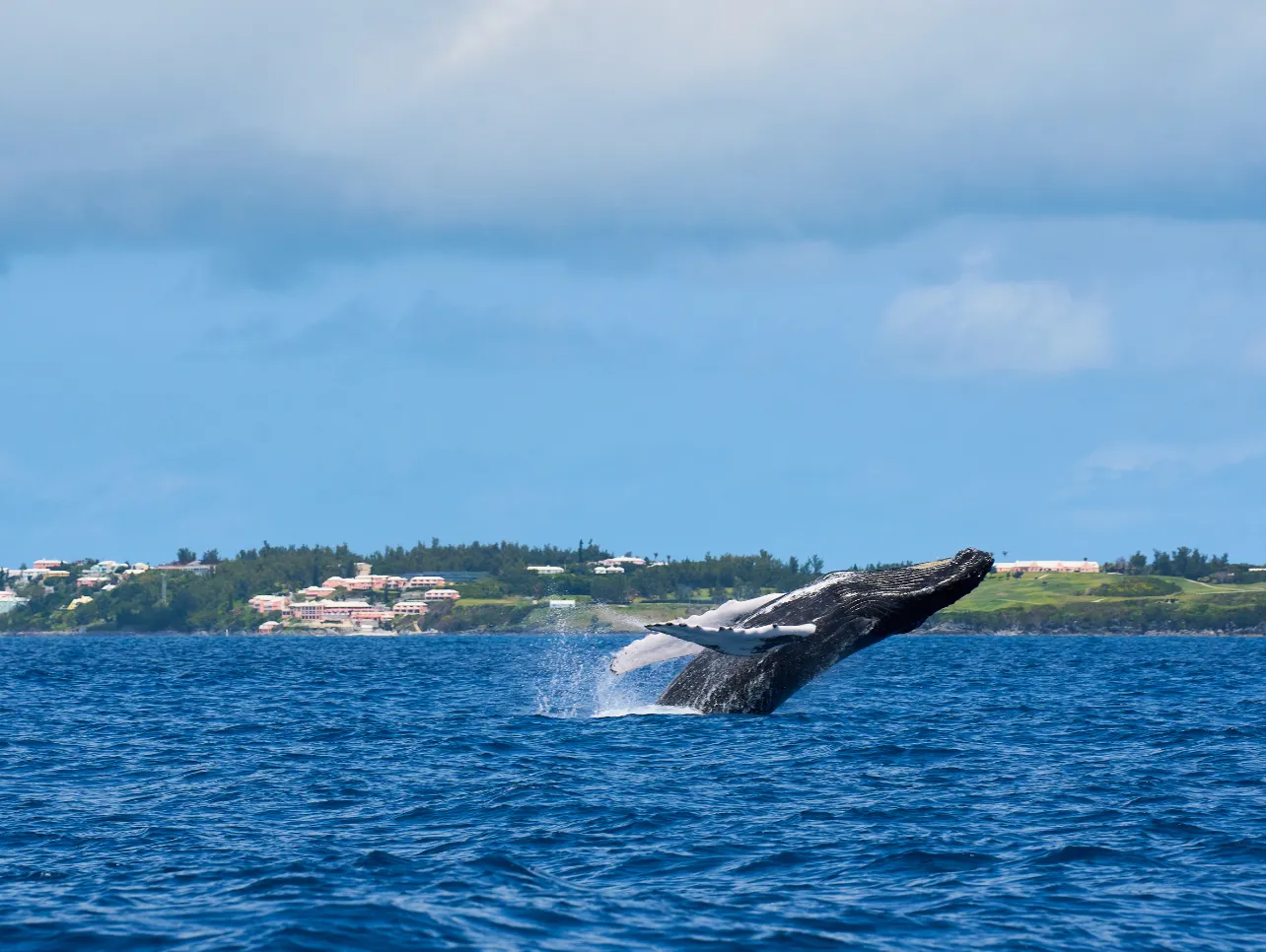
A whale fluke spotted off the coast of Bermuda

Take a Glass Bottom Boat Tour

A glass-bottom boat tour is one of the easiest ways for families to see Bermuda’s reef life without needing to be strong swimmers. Bermuda Reef Explorer runs a double-decker glass-bottom boat where you can look down at coral reefs, sea turtles, and 18th-century shipwrecks during a 2-hour tour.

This is the kind of option that works really well for mixed age groups. Younger kids can see what’s below the surface from the boat, while older children can start to understand how reefs, shipwrecks, fish, and sea turtles are all part of Bermuda’s marine story. 

Best for: Families with younger children, grandparents, and anyone who wants to see the reef with snorkelling 
Where: Island Tour Centre in Hamilton
Duration: About 2 hours
Price: $$
Age note: Good for families who want a lower-effort activity
Why go: Reef viewing, sea turtles, shipwrecks, and marine life without getting in the water

Go Whale Watching in Spring

From March to April, humpback whales pass through the waters around Bermuda on their way north from Caribbean breeding grounds to North Atlantic feeding grounds. Families may see whales from the shore, but for a more up-close-and-personal experience, try an organised whale watching boat tour with an experienced guide who can help you spot blows, breaches, tail flukes, and other signs of whale activity. 

This is one of Bermuda’s most memorable seasonal nature experiences, especially for kids who love wildlife. 

Best for: Families visiting in March or April
Where: Organised whale-watching tours operate from Bermuda’s harbours and marinas 
Duration: Half day (varies by operator)
Price: $$$
Age note: Best for families comfortable spending several hours on the water 
Why go: Seasonal humpback whale migration and open-ocean wildlife viewing

Local tip: Treat the boat ride itself as part of the day’s adventure — open water, fresh air, and the possibility of seeing one of the Atlantic’s largest animals up close. 

Volunteer and Low-Waste Activities

A family trip can also leave a positive mark. A beach clean-up or a few low-waste habits can help protect the places your family came to enjoy, from pink-sand beaches to nature trails.

Join a Keep Bermuda Beautiful Clean-Up

A beach clean-up is one of the simplest ways for families to give something back to Bermuda. Keep Bermuda Beautiful helps organise clean-ups across beaches, parks, playgrounds, public docks, railway trails, and neighbourhood streets, and families can join an organised event, Adopt-a-Spot, or host their own clean-up with guidance.
A short clean-up turns a reminder to not litter into something kids can see: less plastic near the water, safer sand for wildlife, and a cleaner beach for the next family.

Best for: Families, youth groups, and multigenerational travellers

Where: Beaches, parks, playgrounds, public docks, railway trails, and neighbourhood areas

Duration: Flexible; organised clean-ups vary
Price: Free

Age note: Suitable for families with adult supervision

Why go: Waste reduction, marine debris prevention, and community conservation

Take the Bermuda Traveller's Pledge

The Bermuda Traveller’s Pledge is a promise to travel with care. It asks visitors to help protect Bermuda’s environment, culture, heritage, and communities, and it’s a useful way to get kids involved before the trip even starts.

Use the pledge as a family conversation: Why do we stay on trails? Why shouldn’t we take sand or sea glass? Why do reusable bottles matter? Why do turtles, fish, birds, and coral need space? These small answers help children see eco-tourism as part of the trip, not a separate lesson.

You can learn more and take the pledge here.

Join the BermudAir and BUEI Stamp for Sustainability Kids Passport Programme

Families flying with BermudAir can also look for the Stamp for Sustainability Kids Passport Programme, created through their partnership with BUEI. This programme encourages children to complete sustainability-themed activities and explore Bermuda with a little more curiosity. 

It’s fun for kids, especially little ones who love collecting stamps and checking off activities, as well as those who might enjoy a little mission throughout the trip.

Ask for your passport before you take off with BermudAir and learn more about their partnership with BUEI here

More Tips for an Eco-Friendly Family Vacation in Bermuda

The easiest eco-friendly habits are the ones that fit naturally into the day. Start with these:

    •    Visit free nature spaces. Start with nature reserves, parks, beaches, and shoreline walks, then add paid experiences where they fit.
    •    Bring reusables. Pack refillable water bottles, reusable snack containers, and a lightweight tote.
    •    Stay on marked trails. Nature reserves are protected habitats, so keep children close and give wildlife room.
    •    Leave beaches as you found them. Don’t remove sand, shells, plants, animals, or sea glass.
    •    Choose low-impact water activities. Kayaking, paddleboarding, and snorkelling help families enjoy the ocean at a gentle pace.
    •    Use reef-safe sunscreen. Choose mineral sunscreen with non-nano zinc oxide or titanium dioxide, and avoid ingredients that may harm coral reefs. Rash guards, hats, and shade breaks also help reduce how much sunscreen your family needs.
    •    Buy local when you can. Visit farm markets, ask what’s locally grown, and choose seasonal ingredients.
    •    Check age and safety rules before booking. Cave swimming, snorkelling, kayaking, and rugged trails aren’t right for every child.
    •    Stay with our green hotel partners: the Hamilton Princess & Beach Club, Rosewood Bermuda, and The Loren Hotel.

Frequently Asked Questions

Yes. Families can visit protected nature reserves such as Spittal Pond Nature Reserve and Cooper’s Island Nature Reserve. Spittal Pond has trails, birding, Portuguese Rock, and seasonal wildlife viewing. Cooper’s Island has coastal trails, beaches, salt marsh habitat, and a Wildlife Observation Tower with wide Atlantic views. 

Yes. Families can visit Wadson’s Farm in Southampton, a 40-acre sustainable farm founded in 1976. The farm market carries seasonal fruits and vegetables, free-range eggs, fresh herbs, and other local products. It’s a good stop for kids to see where local food comes from.

The Bermuda Traveller’s Pledge is a responsible travel commitment that encourages visitors to protect Bermuda’s natural environment, culture, heritage, and communities. For families, it’s a helpful way to talk about conservation before arrival: use less plastic, respect marine life, stay on marked trails, support local businesses, and leave beaches clean.

Plan a Sustainable Family Vacation in Bermuda

Bermuda’s best family experiences don’t have to be complicated. Walk a nature reserve in the morning, cool off at the beach after lunch, visit a farm market for local snacks, or choose one guided conservation activity that helps kids see the island in a new way. Whether your family is spotting birds at Spittal Pond, paddling from Royal Naval Dockyard, learning about coral gardens, or joining a beach clean-up, each choice helps care for the beaches, reefs, and green spaces that make Bermuda feel like Bermuda.

Start planning your Bermuda family vacation today.